投稿者: shiba.dog.woof

  • Discover Japan’s Corporate Museums: Hidden Gems of Monozukuri

    Discover Japan’s Corporate Museums: Hidden Gems of Monozukuri

    Hi there! Welcome to shiba-memo.com. I’m so glad you’re here.

    If you’ve already checked off the big shrines in Kyoto and the neon lights of Tokyo, you might be looking for something a bit different. Something that hits a little closer to the heart of what makes Japan, well, Japan. You’ve likely heard of “Monozukuri“ (the art of making things), but did you know you can actually walk through the history of it?

    Corporate museums are my absolute favorite “hidden“ side of Japan. They are polished, incredibly fascinating, and often offer a peek into the genius that built this country. Let’s dive in!

    1. Why Corporate Museums? The Hidden Gems of Japanese Culture

    1.1 A Deep Dive into Japan’s Monozukuri

    When you visit these museums, you aren’t just looking at products; you’re seeing the evolution of problem-solving. From early textile looms to the most advanced robotics, these exhibits show the obsession with detail that defines Japanese quality. It is a masterclass in how the spirit of Omotenashi – the drive to anticipate needs and provide perfection – is baked into everything from cars to printed pages.

    1.2 Why They Should Be on Your Travel Map

    Unlike some crowded tourist spots, these facilities are usually spacious, climate-controlled, and impeccably clean. However, please keep in mind that language support can vary. While major corporate museums often provide English audio guides and detailed signage, smaller or more niche facilities may offer limited support in languages other than Japanese. Checking their official websites in advance is always a good idea to see what kind of resources are available for international visitors.

    2. Iconic Museums You Shouldn’t Miss

    If you want to start with the big hitters, head to Aichi Prefecture. The Toyota Automobile Museum is a must-visit for automotive history enthusiasts, showcasing a vast collection of classic cars from around the world. Another gem is the Toyota Commemorative Museum of Industry and Technology, where the transition from wooden looms to high-speed automotive assembly is absolutely mesmerizing.

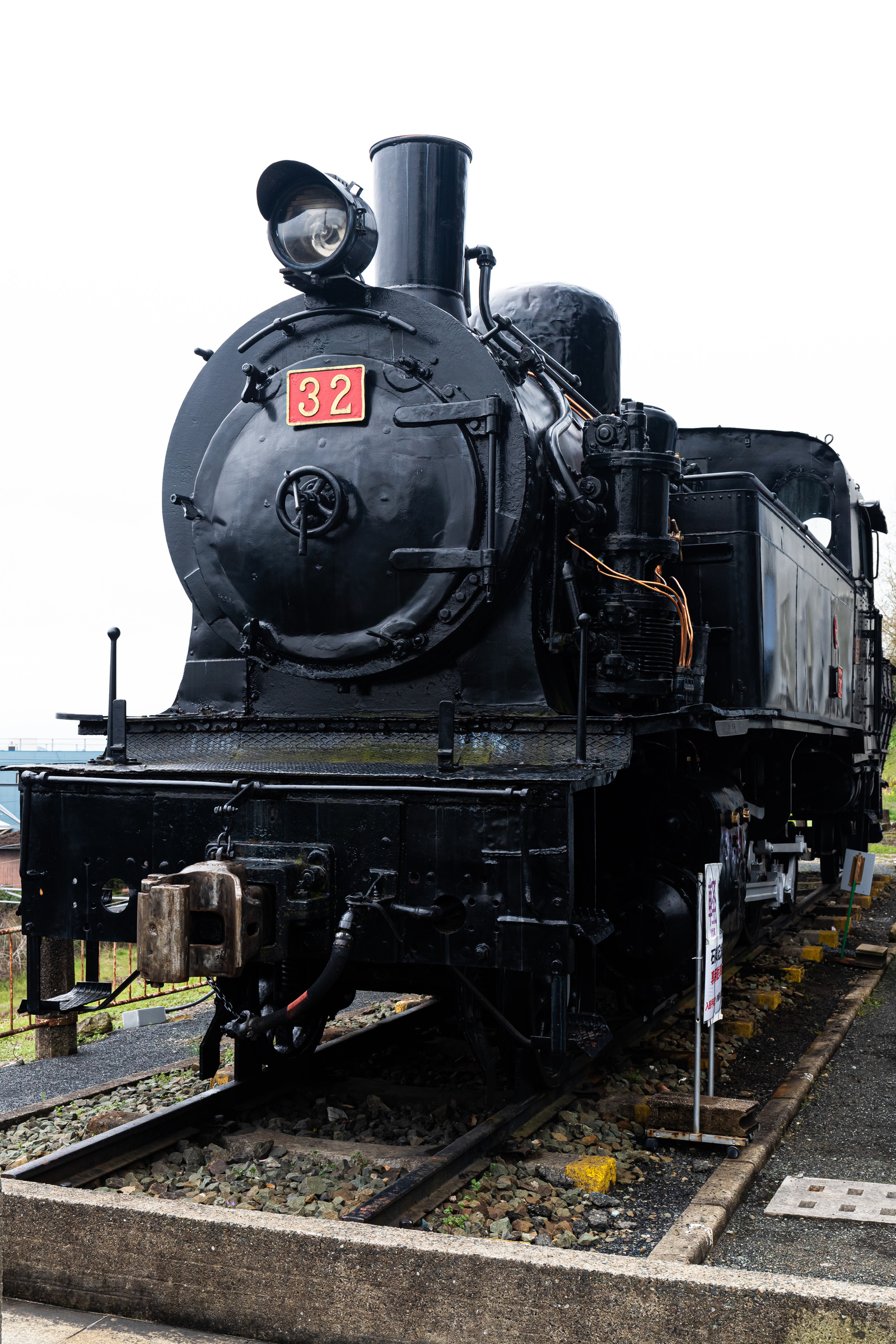
    For fans of locomotives, Japan’s dedicated railway museums are legendary. Here are the three major stops you should know:

    • The Railway Museum (Omiya): Located just outside Tokyo, this is one of the most comprehensive rail museums in the country.
    • SCMAGLEV and Railway Park (Nagoya): Famous for its focus on high-speed innovation, including the world-record-breaking maglev trains.
    • Kyoto Railway Museum (Kyoto): A fantastic facility that perfectly blends the history of steam locomotives with the modern Shinkansen.

    3. Unique Finds in Tokyo: From Tobacco to Printing

    Tokyo is full of niche museums that are honestly fascinating. The Tobacco and Salt Museum in Sumida is a perfect example; it sounds unusual, but it’s a brilliant way to learn about the social history of Japan through two commodities that shaped daily life.

    My personal top pick? The Printing Museum in Bunkyo-ku. It sits quietly in a modern office complex, but inside, you’ll find an incredible archive of typography and printing technology that literally changed the world. It’s quiet, contemplative, and beautifully curated.

    4. How to Find Your Own Hidden Museum

    Don’t limit yourself to my list! A great way to find your own spot is to look at the “Corporate Social Responsibility“ (CSR) or “History“ pages of major Japanese brands you admire. Also, try typing “Corporate Museum“ into Google Maps when you are in a new city. You might be surprised to find a hidden treasure just a few blocks away.

    Local Tip: Plan Ahead, Explore Freely

    Many of these gems are surprisingly affordable or even free, but popularity varies. Always check the official website for booking requirements – some places are strictly by reservation. Also, remember that many museums close on Mondays, so double-check your schedule! Lastly, don’t be afraid of the smaller, less-known ones; those are often where you’ll meet the most passionate staff who are dying to tell you the story of their craft.

    Whether you are a design lover, a tech geek, or just a curious traveler, these museums offer an exclusive look at the backbone of Japan. Enjoy exploring!
  • Earthquake Safety Guide for Travelers in Japan: Stay Calm and Prepared

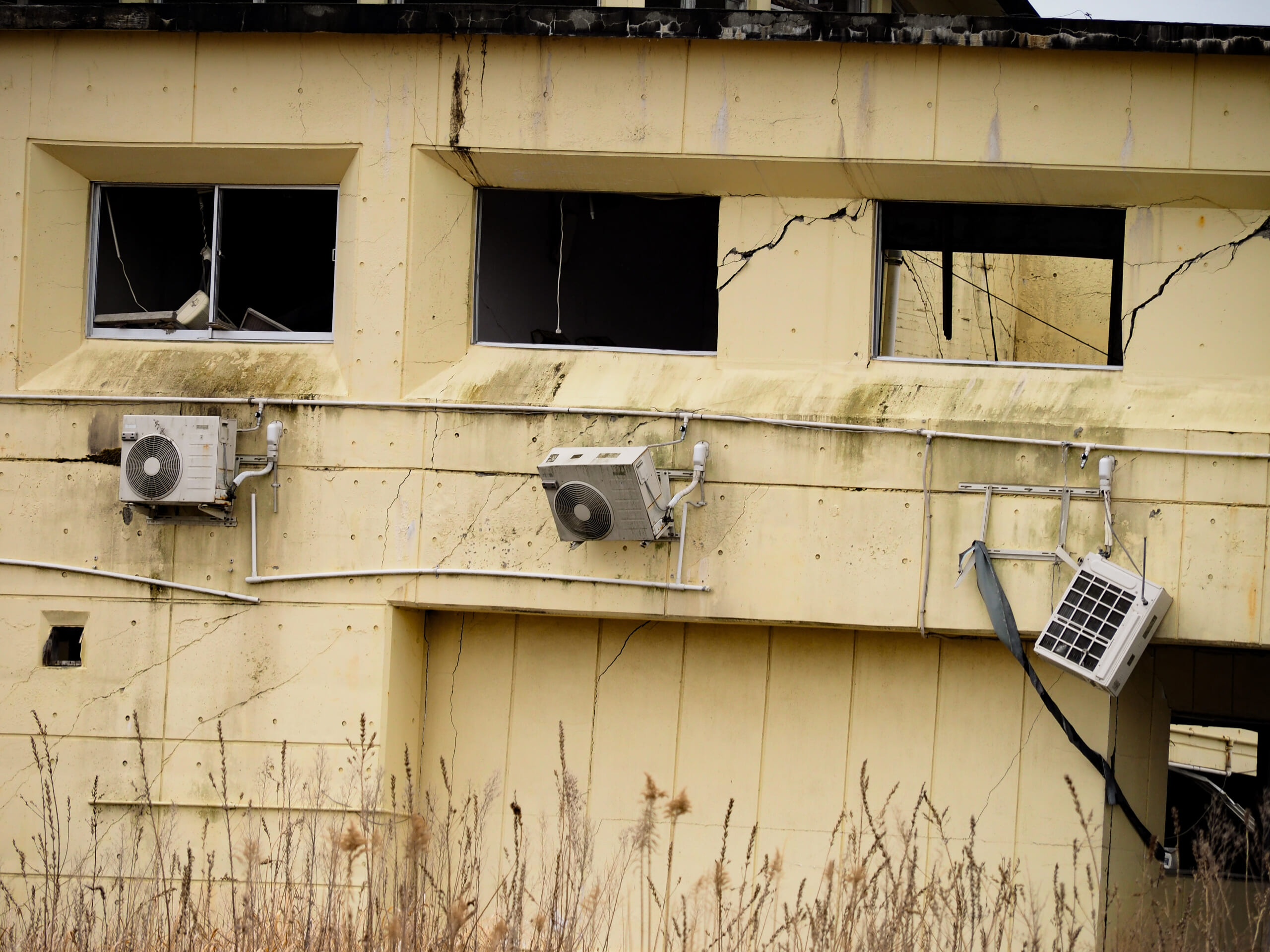
    Earthquake Safety Guide for Travelers in Japan: Stay Calm and Prepared

    1. The First Rule: Stay Calm and Don’t Panic

    1.1 Earthquakes are part of daily life

    In Japan, seismic activity is a part of the natural landscape. Most earthquakes are minor – the kind that makes the windows rattle for a few seconds. If you feel a shake, don’t worry! It will almost certainly pass within a minute. Japanese infrastructure is world-class, designed specifically to withstand these movements.

    1.2 Why panic is your biggest enemy

    I remember back in 2011, there was a lot of confusion among foreign visitors. Some folks were so terrified they booked flights home or traveled halfway across the country, thinking they were in immediate danger. In reality, their stress was caused more by misinformation than by the tremors themselves.

    I live with a family in Tokyo, and we keep an emergency bag with three days of water, food, and portable toilets ready at all times. It gives us peace of mind. Your biggest enemy isn’t the ground shaking; it’s your own panic. If you feel the earth move, just take a deep breath. A calm mind is your most important survival tool.

    2. Immediate Action: Where Should You Be?

    The golden rule is this: Stay indoors. I know it sounds counterintuitive, but Japanese buildings are designed with advanced shock-absorbing technology. They are safer inside than outside, where you risk being hit by falling signs, glass, or heavy roof tiles.

    If you are indoors, use the “Drop, Cover, and Hold On“ method. Get under a sturdy table, protect your head with a bag or a cushion, and wait for the shaking to stop. The only exception to this rule is if you are staying in an old, traditional wooden house or an aging guest house. If you see signs of structural weakness, calmly exit to an open space once the initial shaking subsides.

    3. Tsunami Awareness: The Real Threat

    While earthquakes rarely cause building collapses, the ocean is a different story. If you are near the coast and feel a strong, long-lasting earthquake, do not wait for an official siren. Move to high ground immediately. Look for signs showing “Tsunami Evacuation Area“ or designated evacuation buildings. Never go to the beach to “see the waves“ – that is the most dangerous thing you can do.

    4. Quick Guide: What to Do (Do’s and Don’ts)

    Situation Do Don’t
    Indoors Stay inside, get under a table, protect your head. Run outside, use elevators.
    Outdoors Stay away from tall buildings, use a bag to protect your head. Stand near old walls or narrow alleys.
    Near the Coast Head to high ground immediately. Go to watch the ocean, wait for alerts.


    📱 Recommended Essential App: “Safety Tips” (Official Japan Tourism Agency App)

    Before you arrive in Japan—or right now from your hotel room—there is one app you should definitely download on your smartphone: the official “Safety Tips” app, supervised directly by the Japan Tourism Agency.

    Why Shiba dog strongly recommends it:

    • Instant Multi-language Push Alerts: You will receive real-time Earthquake Early Warnings (EEW) and Tsunami Warnings in English, Simplified/Traditional Chinese, Korean, and several other languages simultaneously.
    • Action Flowcharts: When an alert sounds, the app immediately displays simple, step-by-step illustrations showing what action to take depending on where you are (indoors, train station, outdoors, or coastline).
    • Emergency Communication Cards: Includes practical phrase cards in Japanese and English (e.g., “Where is the nearest evacuation shelter?”, “Is the train running?”) to show locals if you need help.
    • Medical & Evacuation Navigation: Helps you locate nearby medical facilities accepting international visitors and official evacuation sites.

    💡 Shiba’s Tip: The app is completely free on both iOS (App Store) and Android (Google Play). Just make sure to enable push notifications and location services so it can protect you wherever you travel across Japan!

  • Michi-no-Eki: How to Experience Rural Japan Beyond the Tourist Crowds

    Michi-no-Eki: How to Experience Rural Japan Beyond the Tourist Crowds

    Hi, I am Shiba dog! I am here to guide you through the local side of Japan that most tourists miss. Are you feeling overwhelmed by the crowds in Tokyo or Kyoto? Do you want to escape the tourist traps and experience how Japanese people really live? I have a secret for you: the “Michi-no-Eki,“ or Roadside Stations. Let’s dive into this hidden travel hack!

    1. What is a ‘Michi-no-Eki’?

    1.1 Japan’s Best Kept Secret

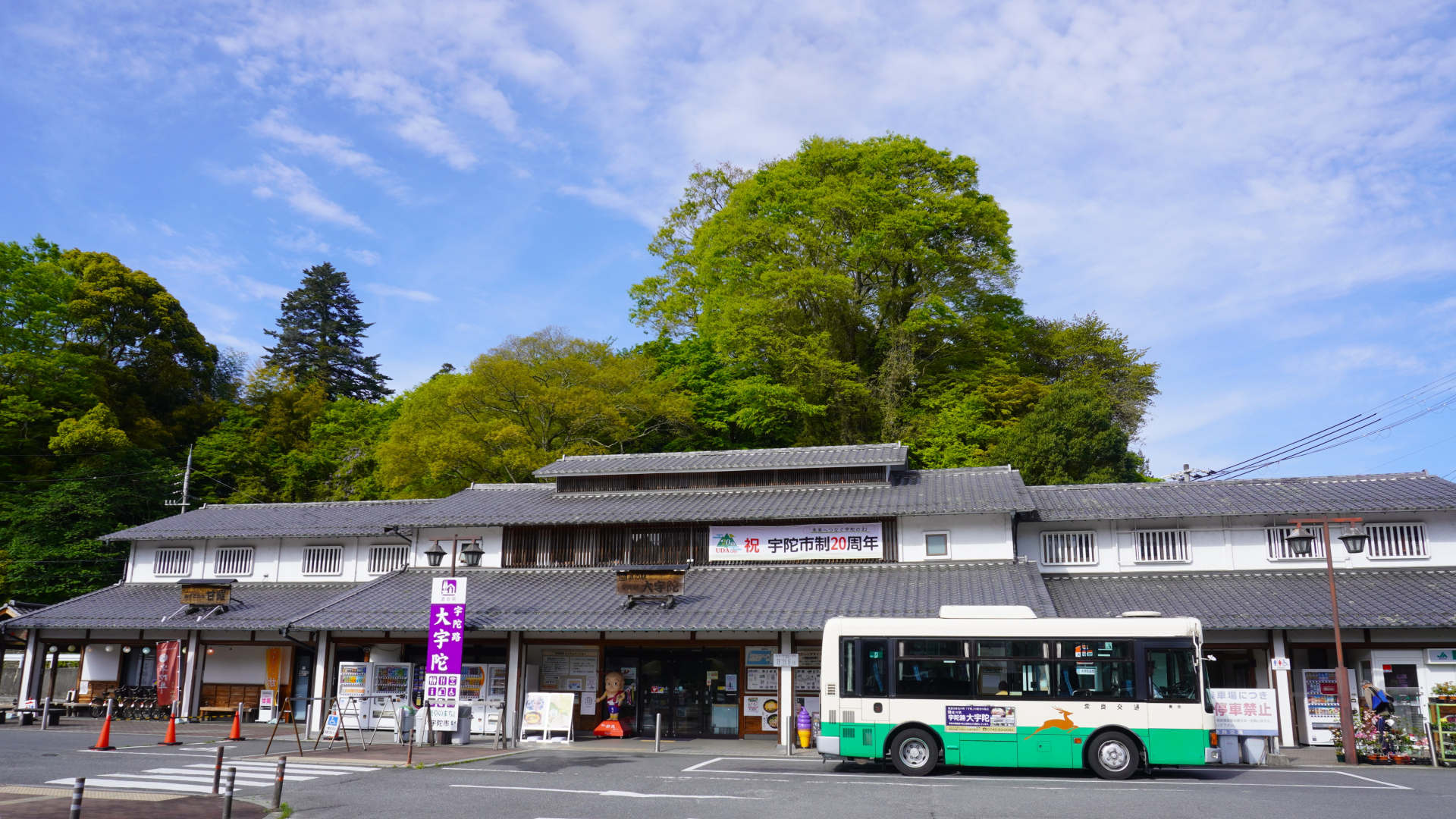
    ■ There are over 1,200 of these official government-designated rest areas scattered across Japan. Think of them as more than just a place to use the bathroom—they are true showcases of the local region, reflecting the unique culture, agriculture, and personality of the area they call home.

    2. Why Road Trip Lovers Choose Michi-no-Eki

    ■ Farm-to-Table Freshness: You can find incredibly affordable, sun-ripened vegetables and fruits straight from local farms. You will often see rare varieties that never make it to city supermarkets.
    ■ Authentic Local Flavors: Every station features regional specialties, from limited-edition snacks to savory soul food. Some even have natural hot springs (Onsen) attached!
    ■ Your Local Connection: Staff at these stations are your best friends. They provide information about secret waterfalls or hidden shrines that you simply won’t find in your guidebook.

    3. The Only Hurdle: Why You Need a Rental Car

    ■ These gems are tucked away in the countryside, far from train lines. This is why renting a car is essential. Driving through the quiet, scenic Japanese countryside isn’t just about getting from point A to point B—it is the ultimate adventure!

    Feature Famous Spots Michi-no-Eki
    Crowds Heavy Relaxed/Local
    Experience Sightseeing Hands-on/Local life
    Price Expensive Affordable

    4. Shiba’s Recommended Spots

    ■ Michi-no-Eki Hachioji Takiyama: The only one located within Tokyo, perfect for seeing the surprising agricultural side of the capital.
    ■ Michi-no-Eki Chichibu: Located in a historic town in Saitama, offering a perfect mix of nature and tradition.

    Shiba’s Secret Advice: How to act like a local
    Check the vegetable corner early in the morning! You will see local farmers bringing in their harvest. If you ask them how to cook their produce, they will be thrilled to share their favorite recipes. This interaction is the heart of a great trip!
  • Escalator Etiquette in Japan: Stand or Walk? A Tourist’s Guide

    Escalator Etiquette in Japan: Stand or Walk? A Tourist’s Guide

    Hi, I am Shiba dog! Welcome to shiba-memo.com. I am so happy you are planning a trip to Japan!

    One thing that often confuses visitors as soon as they step into our train stations is the escalator etiquette. You might be standing there, wondering, “Should I stand on the left? Or the right?“ It feels like an unwritten rule that everyone else seems to know but you. Don’t worry! You are not alone in this, and honestly, even for us locals, things are changing.

    1. The Regional Divide: East vs. West

    Japan has a funny way of doing things differently depending on where you are. When it comes to escalators, the “customary“ side to stand on depends on the city.

    Region Standing Side Note
    Kanto (Tokyo) Left The right side is for walking.
    Kansai (Osaka) Right The left side is for walking.
    Nagoya Both sides Walking is strongly discouraged.

    1.1 Why the difference?

    There are many urban legends about why Osaka stands on the right—some say it’s because businessmen in the Edo period wanted their swords on the outside, or because of a big exposition held years ago. Whatever the reason, it is just a local habit.

    2. The Current Transition: Why Official Rules are Changing

    Recently, you will see posters in every station that say, “Please do not walk on the escalator.“ Why? It comes down to three main reasons:

    ■ Safety First: Walking on moving stairs is dangerous. It leads to falls and accidental collisions with others.
    ■ Inclusivity: Everyone uses escalators, including people who have difficulty balancing or those who need to hold the handrail on either side. When one side is blocked, it makes life harder for many people.
    ■ Efficiency: Studies have shown that if everyone stands on both sides, the throughput of people is actually higher, moving the crowd out of the station faster.

    3. Shiba’s Reality Check: How to Navigate Like a Local

    I know it feels intimidating to be the only one standing on the “wrong“ side. My advice? Don’t overthink it! If you see a long line forming on one side, just stand behind the person in front of you. You are a tourist, and no one expects you to memorize the local customs of every prefecture.

    Shiba’s Insider Tip: While the official rule is “stand on both sides,“ social pressure is a real thing in Japan! During the weekday morning rush hour in major hubs like Tokyo, Shinjuku, or Shinagawa stations, people are moving very fast. In these specific, crowded moments, it is often safer and easier to just follow the flow and stand to one side to avoid bumping into rushed commuters.

    4. Final Thoughts

    Japan is currently in a transitional phase. We are moving toward a culture where safety takes priority over speed. If you accidentally stand on the “wrong“ side, don’t sweat it—people are generally very forgiving to travelers. Just keep your eyes open, stay safe, and enjoy your amazing journey through Japan!

  • Japan Konbini Guide: A Local’s Guide to 7-Eleven, FamilyMart & Seicomart

    Japan Konbini Guide: A Local’s Guide to 7-Eleven, FamilyMart & Seicomart

    Hi, I am Shiba dog! Welcome to shiba-memo.com. Living here in Japan, I’ve realized that our convenience stores—or konbini—aren’t just shops; they are lifelines. Whether you’re grabbing a midnight snack or a quick breakfast before hitting the train, the konbini is your best friend. Today, I’m going to guide you through how to navigate these foodie paradises like a true local.

    1. The Big Two: Why 7-Eleven & FamilyMart?

    1.1 Why these two?

    Japanese residents often debate which chain is king, but the consensus is usually clear: 7-Eleven leads with high consistency, while FamilyMart is known as a bold innovator. For a traveler, these two are ubiquitous. They are clean, reliable, and the food quality often rivals that of casual restaurants.

    1.2 The Must-Buy Private Brands

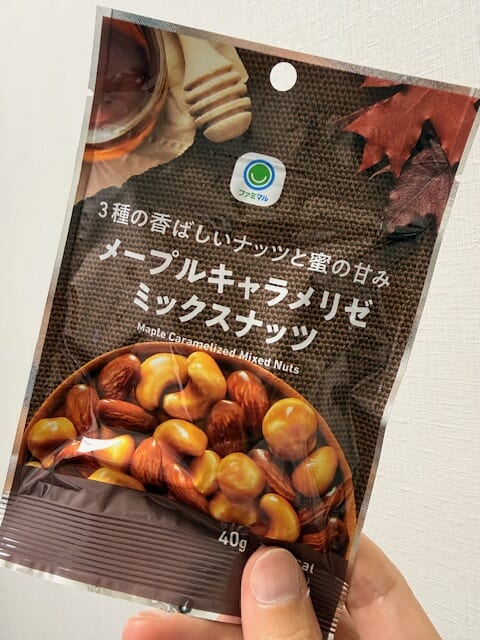
    Don’t ignore the store-branded items. Look for Seven Premium—everything here is consistently high-quality. If you are in a FamilyMart, look for the Famimaru label. Their products are designed to make your daily life easier and your taste buds happier.

    2. Shiba Dog’s Gourmet Picks

    When you step inside, head straight for the refrigerated sweets section. The Cream Puffs and Eclairs are, frankly, dangerous—you won’t be able to stop at just one. My personal obsession, however, is the Maple Nuts. The balance between the crunchy texture and the gentle maple sweetness is pure perfection. It is the ultimate travel snack to keep in your bag.

    Konbini Best For Shiba Dog’s Verdict
    7-Eleven Meals & Quality The Gold Standard. Always a solid choice.
    FamilyMart Sweets & Pastries The “Famimaru” brand is a true game changer.
    Seicomart Hokkaido Trips The soul of the north. Absolutely iconic.

    3. A Word of Advice: What to Avoid

    I always encourage people to be mindful when selecting fried chicken from the hot display at the register. It’s undeniably tempting, but it can be quite rich if you are already exhausted from sightseeing. Also, personally, I tend to be selective with Oden during winter if it has been sitting out for a long period, just for peace of mind. Stick to pre-packaged or fresh items to keep your stomach happy during your travels.

    4. The Hokkaido Legend: Seicomart

    If your travels take you to the northern island of Hokkaido, you must visit Seicomart. This isn’t just a store; it’s a regional treasure. Their Hot Chef section is legendary. They cook bento boxes, rice balls (onigiri), and fried chicken right inside the store. It tastes like home-cooked comfort food, and trust me, nothing beats a hot Seicomart onigiri in the cold Hokkaido air!

    Local Tip:
    ■ Learn the art of opening the konbini onigiri. Follow the numbers on the packaging to pull the plastic perfectly—it keeps the seaweed crispy and separate from the rice until you’re ready to eat!
    Japan’s konbini culture is a huge part of the local experience. Start by mastering the big two, and if you make it up north, treat yourself to a Hot Chef meal. Have you found a favorite konbini snack yet? Drop a comment below and let me know—I’d love to hear what you think!
  • Kawagoe Day Trip: A Guide to Little Edo Near Tokyo

    Kawagoe Day Trip: A Guide to Little Edo Near Tokyo

    Hi, I’m Shiba dog! Welcome to my Japan travel guide. If you are looking for an easy, unforgettable day trip from Tokyo, let me introduce you to one of my favorite historical escapes: Kawagoe, fondly known as “Little Edo” (Koedo).

    1. Why Kawagoe is the Perfect Day Trip from Tokyo

    1.1 Access: Getting to Little Edo Quickly

    Reaching Kawagoe is surprisingly fast and affordable. Depending on where you stay in Tokyo, you can arrive directly without needing expensive bullet train tickets:

    ■ From Ikebukuro: About 30 minutes via the Tobu Tojo Line (Express).
    ■ From Shinjuku or Shibuya: About 60 minutes via the Seibu Shinjuku Line (Red Arrow / Koedo Limited Express) or the JR Saikyo / Fukutoshin Line through-services.

    1.2 A Genuine Time Slip: Why Kawagoe Feels Truly Historic

    💡 Shiba dog’s Personal Reflection:

    What makes Kawagoe truly special to me is how naturally its Edo and Meiji-era atmosphere has survived into the modern day. Popular areas in Tokyo like Asakusa are vibrant, but much of Asakusa was unfortunately rebuilt after WWII—meaning that while the traditional charm is there, the structures themselves are relatively modern.

    Kawagoe, on the other hand, was spared widespread wartime devastation. Its authentic clay-walled merchant houses (Kurazukuri) have stood strong for well over a century. When you stroll down these streets, you aren’t just looking at a recreated set; you genuinely feel like you have slipped back in time and are walking through old Japan.

    2. Must-See Spots: A Walk Through Time

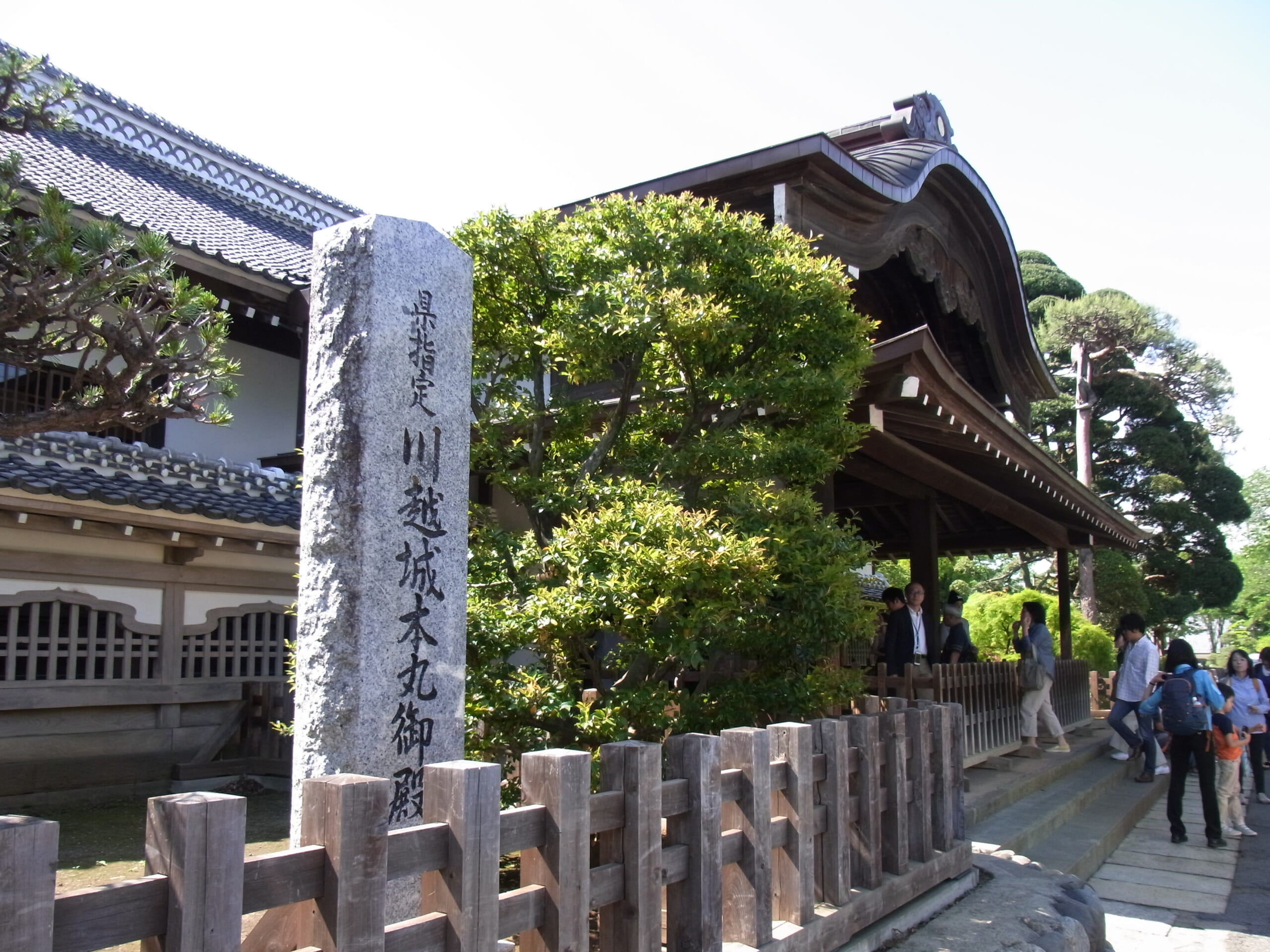
    The centerpiece of the town is the Kurazukuri Warehouse District, where impressive dark-plastered architecture lines the avenue. Be sure to stop by Toki no Kane (The Bell of Time), the wooden clock tower that has chimed the hours for townspeople since the Edo era.

    Afterward, explore Candy Alley (Kashiya Yokocho) for nostalgic sweets and Kawagoe’s famous specialty: sweet potato (available in delicious roasted snacks, chips, and ice cream!).

    If you head a little further, visit Kawagoe Hikawa Shrine, renowned for its en-musubi (matchmaking and good relationship) blessings. Important seasonal tip: The shrine’s world-famous, colorful Wind Chime Corridor (Enmusubi Furin Festival) is held every year exclusively during July and August. Thousands of clear glass wind chimes chime gently in the summer breeze—a truly magical sight!

    3. Navigating Kawagoe Like a Pro

    Depending on your travel style, choose how to explore the town:

    Method Details & Best For
    Walking About 15 minutes from the station. Great for leisurely photography.
    Koedo Loop Bus Vintage retro bus connecting all key sights. Great for families.
    Share Cycle (HELLO CYCLING) The most widespread bike-share service across Kawagoe. Ideal for active travelers who want total freedom and flexibility.

    Shiba dog’s Etiquette Note:

    ■ Eat Where You Buy: Rather than “walking while eating” along the crowded sidewalks, please enjoy your sweet potato snacks near the shop storefront or at designated rest benches.
    ■ Watch for Moving Traffic: Kurazukuri Street is an active road. Keep to the sidewalks and take photos safely without stepping into vehicle lanes.

    ⚠️ 【運営者向け】公開前ファクトチェックリスト (公開前に削除可)

    • 池袋から約30分、新宿・渋谷から約60分の表記確認済み。
    • 川越氷川神社の縁結び風鈴(7月〜8月)の開催時期確認済み。
    • シェアサイクル(HELLO CYCLING)の稼働確認済み。

    📌 【SEO設定情報】

    Meta Description: Discover the authentic Edo charm of Kawagoe, Little Edo, with this perfect day trip guide from Tokyo by Shiba dog. Historic streets, sweet potato snacks, and travel tips.

    Slug: kawagoe-day-trip-little-edo-tokyo

  • Saphir Odoriko Guide: Luxury Train Travel from Tokyo to Izu

    Saphir Odoriko Guide: Luxury Train Travel from Tokyo to Izu

    Hi, I’m Shiba dog! Welcome to my Japan travel guide. Are you dreaming of escaping Tokyo’s bustling streets for a tranquil retreat? There is no better way to start your journey to the Izu Peninsula than by boarding the Saphir Odoriko. Think of it not just as a train ride, but as a luxury destination in itself. In just two and a half hours, you’ll be whisked away from the urban skyline into a world of panoramic ocean views, gourmet dining, and the soothing hot springs of Izu.

    1. Experience Luxury on Rails: What is the Saphir Odoriko?

    The Saphir Odoriko is JR East’s premium sightseeing express, designed specifically for travelers who appreciate the finer things in life. The name “Saphir” comes from the French word for “sapphire,” inspired by the stunning blue of the Izu sea and sky. Every seat on this train is Green Class or higher, ensuring a serene, spacious environment. With its elegant design and sky-high glass ceilings, you will feel immersed in the passing landscape from the very moment you depart.

    2. How to Choose the Best Seat for Ocean Views

    💡 Personal Tip from a Tokyo Local:

    When planning a luxury getaway to Izu, the Saphir Odoriko is overwhelmingly popular among Japanese travelers and in-the-know tourists alike. Because of its limited capacity and immense popularity, seats sell out almost immediately depending on the date—especially on weekends and holiday periods.

    To guarantee your spot, I strongly recommend booking your tickets exactly one month in advance at 10:00 AM (JST), the very moment reservation windows open. It’s an experience worth setting an alarm for!

    If you want to maximize your travel experience, seat selection is key.
    ■ The Golden Rule: Always aim for the A-side (left side) seats when traveling from Tokyo to Izu. This side offers an unobstructed, breathtaking panorama of the Sagami Bay.
    ■ Pro-Tip: These seats are in high demand. Because this is a popular route, I highly recommend booking your tickets exactly one month in advance as soon as reservations open.

    Seat Class Features Recommended For
    Premium Green Ultimate privacy, luxury seating Anniversaries, true comfort seekers
    Green Private Room Fully enclosed for 4 or 6 people Couples, families, small groups
    Green Car Wide, plush reclining seats FIT travelers wanting value and luxury

    3. Dining Onboard: The Exclusive Cafeteria Experience

    The fourth car features an exquisite “Cafeteria” where you can enjoy chef-prepared pasta and noodles inspired by local ingredients. Sipping a crisp Izu craft beer while watching the coastline drift by is truly an unforgettable highlight.

    Local Tip: The Smart Traveler’s Routine

    ■ 1 Month Before: Secure your train tickets via the JR-EAST Train Reservation website.
    ■ 2 Weeks Before: Book your meal slot online! The cafeteria is popular, so don’t skip this step.
    ■ On the Day: Don’t overfill your stomach at the station! Save your appetite for the freshly made delicacies served in the Saphir cafeteria.

    4. Your Destination: Reaching Izu’s Hidden Hot Springs

    Your journey ends at some of Japan’s most beautiful coastal towns. Whether you choose the artistic vibes of Izu Kogen, the steam-filled streets of Atagawa, or the historic charm of Shimoda, the Saphir Odoriko drops you right in the heart of these regions. You will arrive feeling refreshed and ready to check straight into your traditional Ryokan without any of the usual transit fatigue. It’s the perfect, seamless start to your Japanese getaway.

    Ready to book your seat? Click here to visit the Official Saphir Odoriko Website (JR-EAST) and start planning your perfect Izu escape today!

  • How to Pay in Japan: Cash, IC Cards, and Why You Should Skip PayPay

    How to Pay in Japan: Cash, IC Cards, and Why You Should Skip PayPay

    Hi, I’m Shiba dog! Welcome to my Japan travel guide. Planning a trip to Japan is exciting, but let’s be honest: figuring out how to pay for your ramen, train tickets, and souvenirs can be a headache. You’ve probably heard that Japan is finally going cashless, but once you arrive, you’ll realize it’s not as straightforward as back home.

    1. Why You Can’t Use PayPay: The Hidden Trap

    1.1. Japan’s most popular app isn’t for tourists

    You might see the PayPay logo everywhere, but here is the truth: it’s essentially off-limits for most international tourists. To unlock the full power of PayPay, you generally need a Japanese bank account and local identification documents. While some minor features are becoming available, it remains a common point of frustration for short-term visitors.

    2. The Best Alternative: Mobile IC Cards

    2.1. Why Mobile IC is the gold standard

    Since physical Suica and Pasmo cards often go out of stock from time to time du to supply shortages, your smartphone is your best friend. If you have an iPhone, simply add a Welcome Suica Mobile App to your iPhone and charge it instantly with your credit card. It works for trains, buses, vending machines, and almost all convenience stores.

    Note for Android users: While some newer international flagship devices support the “Osaifu-Keitai” (mobile wallet) chip, many models still do not. If you’re on Android, you may need to rely on physical credit cards or cash.

    3. Don’t Forget the “Old School” Cash

    3.1. When and why you still need yen

    Despite the digital push, Japan still relies heavily on cash. Tiny, family-run izakayas, local shrines, and rural shops often have “Cash Only” signs. I always recommend carrying about 10,000 to 20,000 yen in your wallet for emergencies.

    Method Availability Best For
    Mobile IC High Transit, Convenience Stores
    Credit Card Medium Hotels, Big Stores
    Cash (Yen) Essential Local Shops, Temples
    Local Tip: Don’t worry about the 10,000 yen note!
    Some smaller shopkeepers might hesitate to give change for a 10,000 yen note, but 1,000 yen notes are always welcome. A great “smart traveler” trick is to stop at a convenience store early in the day, buy a drink, and pay with a 10,000 yen note. It’s the easiest way to break that large bill into useful smaller ones.

    Happy travels, and enjoy your time exploring Japan!

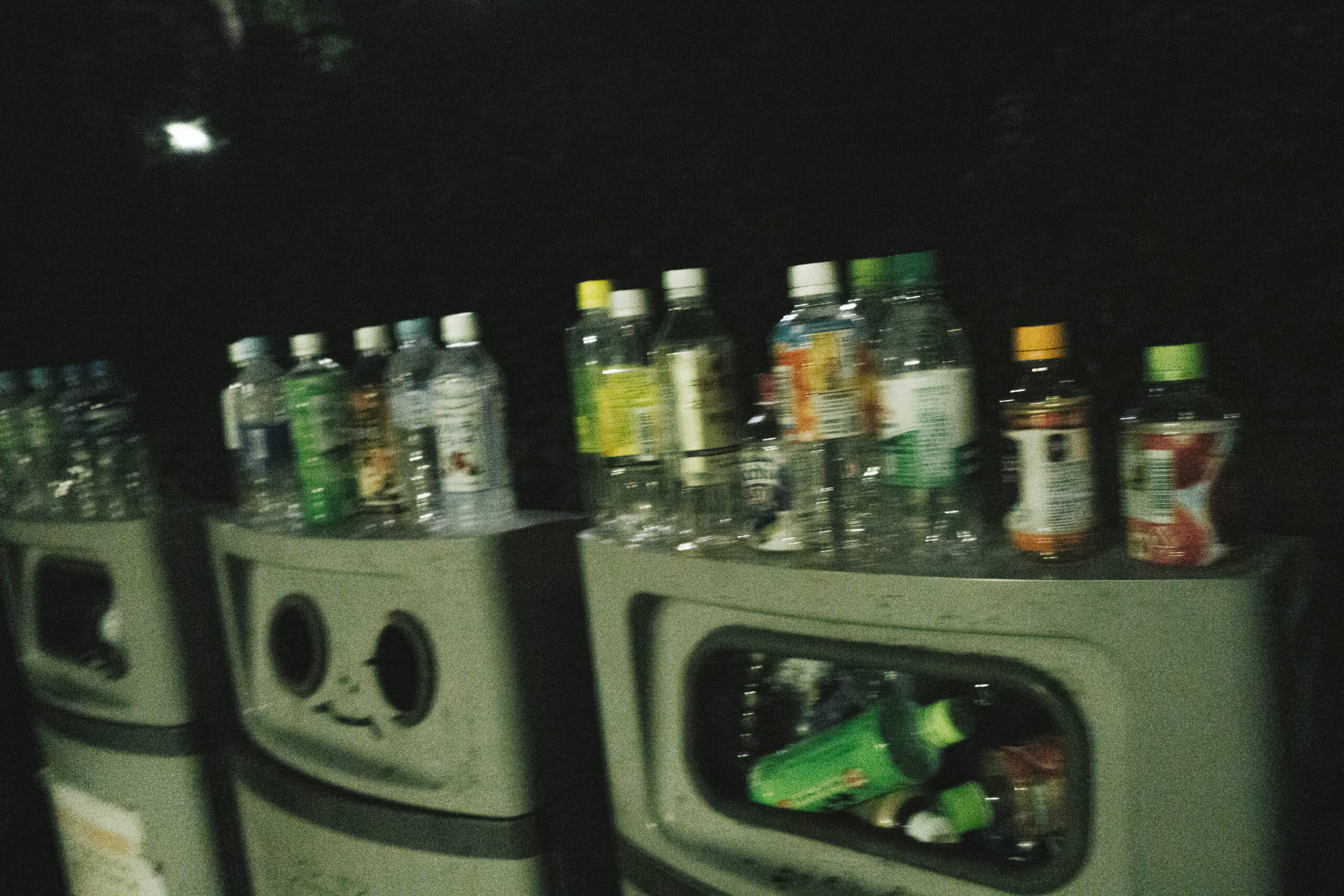
  • No Trash Cans in Tokyo? A Traveler’s Guide to Waste Management

    No Trash Cans in Tokyo? A Traveler’s Guide to Waste Management

    Welcome to Tokyo! I’m Shiba dog! Welcome to my Japan travel guide.  As the editor of shiba-memo.com, I’ve been helping travelers navigate this incredible city for years. One thing everyone notices immediately is how stunningly clean the streets are. But then, it hits you—where on earth are the trash cans? Don’t worry; this is a universal struggle, even for locals! Here is how to navigate the city like a pro.

    1. The Reality: Why Trash Cans are Rare

    If you are wondering why you cannot find a bin on every corner, it is mainly for safety and maintenance. Public trash cans were largely removed from streets years ago as a precaution against security threats and to keep neighborhoods clean. Because of this, locals simply manage their own waste until they get home or reach a proper disposal spot.

    2. Smart Solutions: How to Manage Your Trash

    You do not need to carry a heavy bag all day. Just keep these two simple rules in mind to stay stress-free.

    2.1 Use Point-of-Purchase Bins

    Most convenience stores and vending machines have bins specifically for the items they sell. If you grab a drink or a quick snack, consume it and use the bin right next to the machine or at the store entrance. Note that some stores have restricted bin access due to illegal dumping; always check if the bin is intended for store-purchased items.

    2.2 The Carry-out Habit

    When in doubt, take it with you. Expecting to find a public bin is not the norm here. Making it a habit to hold onto your trash until you return to your hotel is the most respectful way to enjoy the city.

    Situation Avoid This Do This Instead
    Vending machines Leaving a half-empty drink on top Finish it and use the machine’s bin
    Convenience store snacks Dropping wrappers on the street Use the store’s trash bin if available
    Public streets Leaving litter on a bench Keep it in your bag until later
    Local Tip: Always Carry a Trash Bag
    Most Japanese people keep a small, folded plastic bag in their pockets or handbags. It is a lifesaver! You can use it to store your trash, hold a wet umbrella, or even protect your gear if it starts raining unexpectedly. Keep one handy—it is the ultimate Tokyo travel hack.

    Keeping Tokyo beautiful is a team effort between the city and those who visit. By managing your trash, you are helping preserve the charm that makes this city so special. Happy travels!

  • How to Navigate Tokyo Trains: A Guide for Travelers with Luggage

    How to Navigate Tokyo Trains: A Guide for Travelers with Luggage

    Hi there! I’m Shiba dog! Welcome to my Japan travel guide.As the editor here at Shiba Memo, I know exactly how you feel. Japan’s train system is famous for being incredibly clean and punctual—it’s like clockwork! But let’s be honest: seeing a crowded Tokyo train for the first time can be pretty intimidating. Don’t worry, though. With a few simple local secrets, you’ll be riding the rails like a pro in no time.

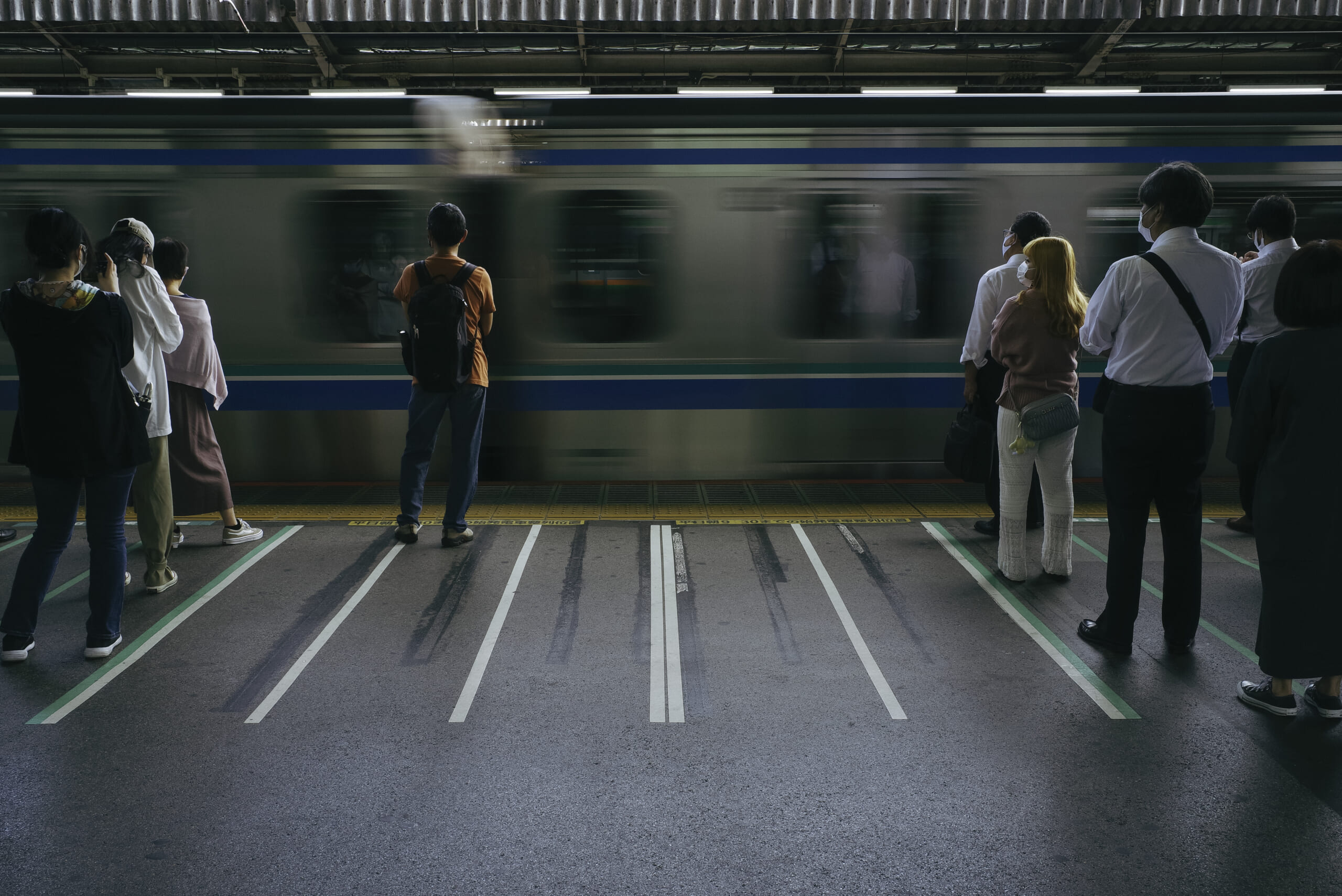
    1. The Golden Rule: Avoid the Rush Hour

    1.1 Peak Hours to Avoid

    ■ The best way to have a smooth trip is simply to avoid the peak. Try to stay off the trains generally between 7:30 AM and 9:00 AM on weekdays. During these hours, trains are packed tight. If you have big suitcases, it’s not just stressful for you—it’s actually quite difficult to navigate safely through the sea of commuters. Save yourself the trouble and enjoy a leisurely breakfast at your hotel instead!

    2. Strategies for Survival with Big Luggage

    2.1 Don’t Stick Together

    ■ If you’re traveling with family or friends, avoid bunching up in one spot. It makes you a “human roadblock” and makes it hard for other passengers to move. Splitting up into smaller groups makes it much easier to find space and keeps everyone safer during busy transitions.

    2.2 Master the “Deep Entry” Technique

    ■ Never stand right by the doors if you’re staying on for a while. That area is the most congested spot on the train. Instead, move deep into the middle of the carriage. If you’re getting off soon, a smart local trick is to move toward the doors just one or two stops before your destination.

    Action Beginner Local Pro
    Luggage Clustered at doors Stored in center or overhead
    Group Flow Sticking together Spaced out
    Exit Prep Waiting by doors early Moving 1-2 stops before
    Local Tip: Use Luggage Delivery Services (“Takkyubin”)Want the ultimate stress-free experience? Use courier service (Takkyubin)! You can send your heavy suitcases from the airport directly to your hotel, or from one hotel to the next. It’s affordable, reliable, and honestly, a life-changer. Traveling hands-free is the best way to fall in love with Japan without the weight of your luggage holding you back. Happy travels!