タグ: Japan

  • How to Pay in Japan: Cash, IC Cards, and Why You Should Skip PayPay

    How to Pay in Japan: Cash, IC Cards, and Why You Should Skip PayPay

    Hi, I’m Shiba dog! Welcome to my Japan travel guide. Planning a trip to Japan is exciting, but let’s be honest: figuring out how to pay for your ramen, train tickets, and souvenirs can be a headache. You’ve probably heard that Japan is finally going cashless, but once you arrive, you’ll realize it’s not as straightforward as back home.

    1. Why You Can’t Use PayPay: The Hidden Trap

    1.1. Japan’s most popular app isn’t for tourists

    You might see the PayPay logo everywhere, but here is the truth: it’s essentially off-limits for most international tourists. To unlock the full power of PayPay, you generally need a Japanese bank account and local identification documents. While some minor features are becoming available, it remains a common point of frustration for short-term visitors.

    2. The Best Alternative: Mobile IC Cards

    2.1. Why Mobile IC is the gold standard

    Since physical Suica and Pasmo cards often go out of stock from time to time du to supply shortages, your smartphone is your best friend. If you have an iPhone, simply add a Welcome Suica Mobile App to your iPhone and charge it instantly with your credit card. It works for trains, buses, vending machines, and almost all convenience stores.

    Note for Android users: While some newer international flagship devices support the “Osaifu-Keitai” (mobile wallet) chip, many models still do not. If you’re on Android, you may need to rely on physical credit cards or cash.

    3. Don’t Forget the “Old School” Cash

    3.1. When and why you still need yen

    Despite the digital push, Japan still relies heavily on cash. Tiny, family-run izakayas, local shrines, and rural shops often have “Cash Only” signs. I always recommend carrying about 10,000 to 20,000 yen in your wallet for emergencies.

    Method Availability Best For
    Mobile IC High Transit, Convenience Stores
    Credit Card Medium Hotels, Big Stores
    Cash (Yen) Essential Local Shops, Temples
    Local Tip: Don’t worry about the 10,000 yen note!
    Some smaller shopkeepers might hesitate to give change for a 10,000 yen note, but 1,000 yen notes are always welcome. A great “smart traveler” trick is to stop at a convenience store early in the day, buy a drink, and pay with a 10,000 yen note. It’s the easiest way to break that large bill into useful smaller ones.

    Happy travels, and enjoy your time exploring Japan!
  • No Trash Cans in Tokyo? A Traveler’s Guide to Waste Management

    No Trash Cans in Tokyo? A Traveler’s Guide to Waste Management

    Welcome to Tokyo! I’m Shiba dog! Welcome to my Japan travel guide.  As the editor of shiba-memo.com, I’ve been helping travelers navigate this incredible city for years. One thing everyone notices immediately is how stunningly clean the streets are. But then, it hits you—where on earth are the trash cans? Don’t worry; this is a universal struggle, even for locals! Here is how to navigate the city like a pro.

    1. The Reality: Why Trash Cans are Rare

    If you are wondering why you cannot find a bin on every corner, it is mainly for safety and maintenance. Public trash cans were largely removed from streets years ago as a precaution against security threats and to keep neighborhoods clean. Because of this, locals simply manage their own waste until they get home or reach a proper disposal spot.

    2. Smart Solutions: How to Manage Your Trash

    You do not need to carry a heavy bag all day. Just keep these two simple rules in mind to stay stress-free.

    2.1 Use Point-of-Purchase Bins

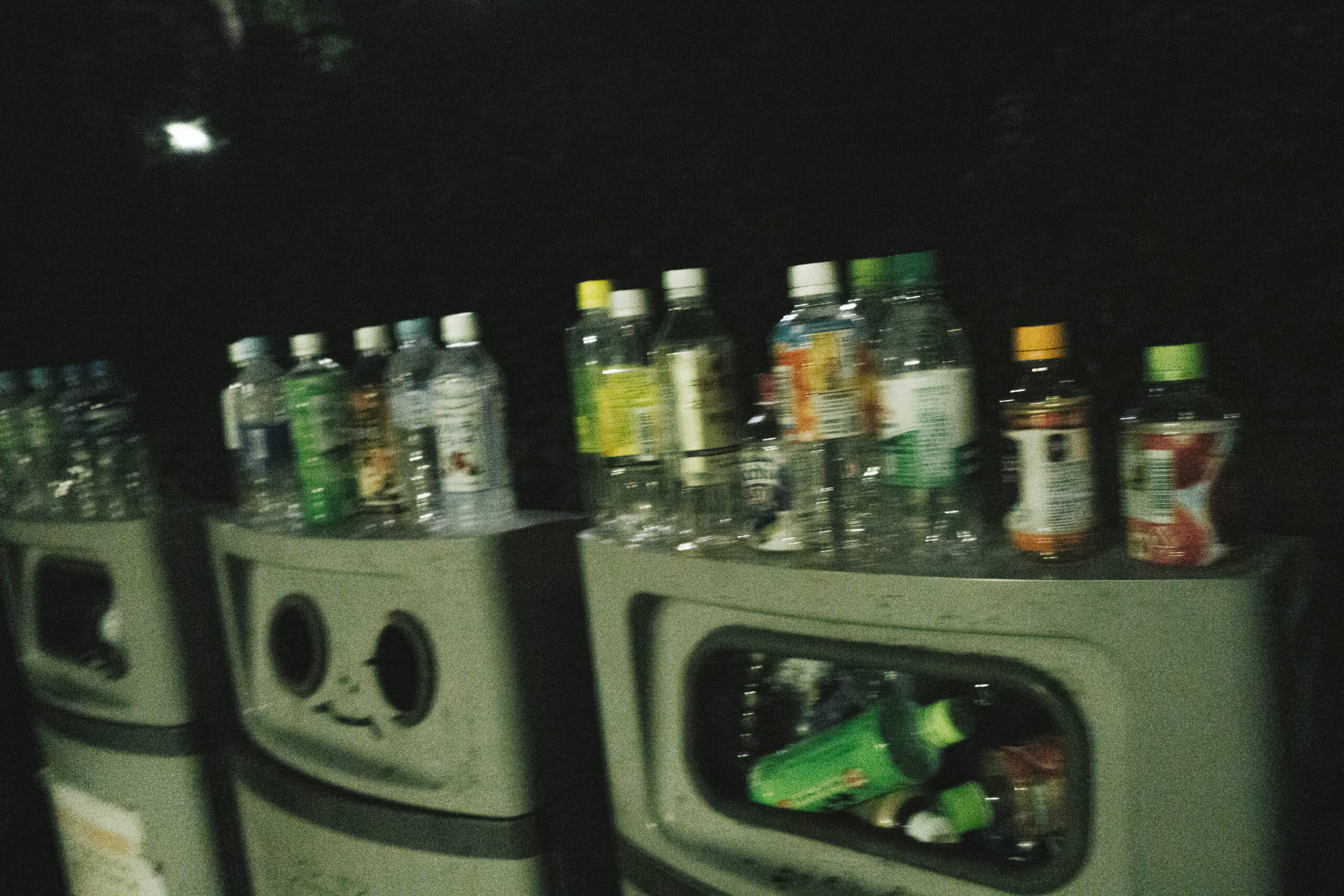
    Most convenience stores and vending machines have bins specifically for the items they sell. If you grab a drink or a quick snack, consume it and use the bin right next to the machine or at the store entrance. Note that some stores have restricted bin access due to illegal dumping; always check if the bin is intended for store-purchased items.

    2.2 The Carry-out Habit

    When in doubt, take it with you. Expecting to find a public bin is not the norm here. Making it a habit to hold onto your trash until you return to your hotel is the most respectful way to enjoy the city.

    Situation Avoid This Do This Instead
    Vending machines Leaving a half-empty drink on top Finish it and use the machine’s bin
    Convenience store snacks Dropping wrappers on the street Use the store’s trash bin if available
    Public streets Leaving litter on a bench Keep it in your bag until later
    Local Tip: Always Carry a Trash Bag
    Most Japanese people keep a small, folded plastic bag in their pockets or handbags. It is a lifesaver! You can use it to store your trash, hold a wet umbrella, or even protect your gear if it starts raining unexpectedly. Keep one handy—it is the ultimate Tokyo travel hack.

    Keeping Tokyo beautiful is a team effort between the city and those who visit. By managing your trash, you are helping preserve the charm that makes this city so special. Happy travels!