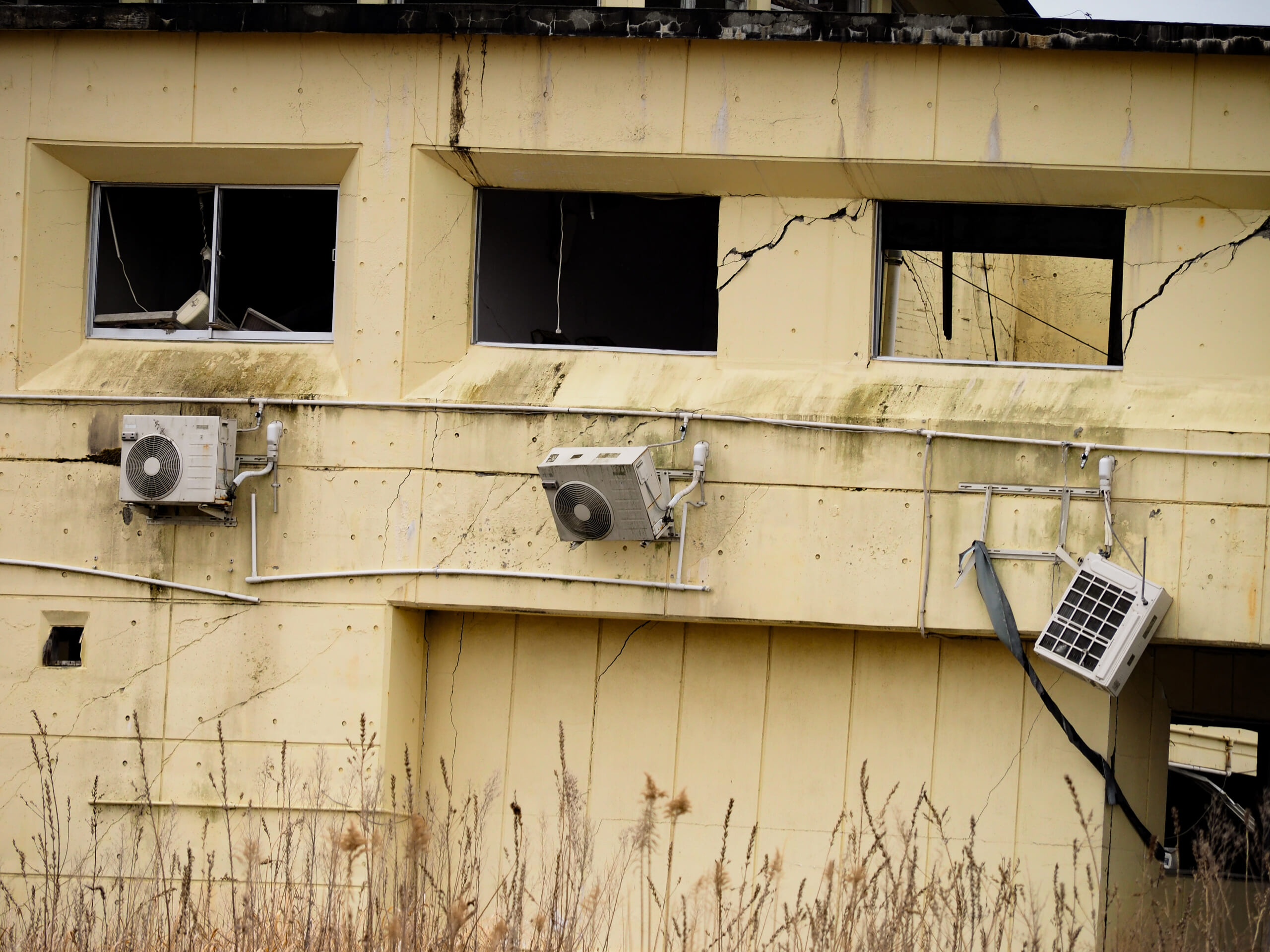
1. The First Rule: Stay Calm and Don’t Panic
1.1 Earthquakes are part of daily life
In Japan, seismic activity is a part of the natural landscape. Most earthquakes are minor – the kind that makes the windows rattle for a few seconds. If you feel a shake, don’t worry! It will almost certainly pass within a minute. Japanese infrastructure is world-class, designed specifically to withstand these movements.
1.2 Why panic is your biggest enemy
I remember back in 2011, there was a lot of confusion among foreign visitors. Some folks were so terrified they booked flights home or traveled halfway across the country, thinking they were in immediate danger. In reality, their stress was caused more by misinformation than by the tremors themselves.
I live with a family in Tokyo, and we keep an emergency bag with three days of water, food, and portable toilets ready at all times. It gives us peace of mind. Your biggest enemy isn’t the ground shaking; it’s your own panic. If you feel the earth move, just take a deep breath. A calm mind is your most important survival tool.
2. Immediate Action: Where Should You Be?
The golden rule is this: Stay indoors. I know it sounds counterintuitive, but Japanese buildings are designed with advanced shock-absorbing technology. They are safer inside than outside, where you risk being hit by falling signs, glass, or heavy roof tiles.
If you are indoors, use the “Drop, Cover, and Hold On“ method. Get under a sturdy table, protect your head with a bag or a cushion, and wait for the shaking to stop. The only exception to this rule is if you are staying in an old, traditional wooden house or an aging guest house. If you see signs of structural weakness, calmly exit to an open space once the initial shaking subsides.
3. Tsunami Awareness: The Real Threat
While earthquakes rarely cause building collapses, the ocean is a different story. If you are near the coast and feel a strong, long-lasting earthquake, do not wait for an official siren. Move to high ground immediately. Look for signs showing “Tsunami Evacuation Area“ or designated evacuation buildings. Never go to the beach to “see the waves“ – that is the most dangerous thing you can do.
4. Quick Guide: What to Do (Do’s and Don’ts)
| Situation | Do | Don’t |
|---|---|---|
| Indoors | Stay inside, get under a table, protect your head. | Run outside, use elevators. |
| Outdoors | Stay away from tall buildings, use a bag to protect your head. | Stand near old walls or narrow alleys. |
| Near the Coast | Head to high ground immediately. | Go to watch the ocean, wait for alerts. |
📱 Recommended Essential App: “Safety Tips” (Official Japan Tourism Agency App)
Before you arrive in Japan—or right now from your hotel room—there is one app you should definitely download on your smartphone: the official “Safety Tips” app, supervised directly by the Japan Tourism Agency.
Why Shiba dog strongly recommends it:
- Instant Multi-language Push Alerts: You will receive real-time Earthquake Early Warnings (EEW) and Tsunami Warnings in English, Simplified/Traditional Chinese, Korean, and several other languages simultaneously.
- Action Flowcharts: When an alert sounds, the app immediately displays simple, step-by-step illustrations showing what action to take depending on where you are (indoors, train station, outdoors, or coastline).
- Emergency Communication Cards: Includes practical phrase cards in Japanese and English (e.g., “Where is the nearest evacuation shelter?”, “Is the train running?”) to show locals if you need help.
- Medical & Evacuation Navigation: Helps you locate nearby medical facilities accepting international visitors and official evacuation sites.
💡 Shiba’s Tip: The app is completely free on both iOS (App Store) and Android (Google Play). Just make sure to enable push notifications and location services so it can protect you wherever you travel across Japan!
コメントを残す