カテゴリー: travel tips

  • Earthquake Safety Guide for Travelers in Japan: Stay Calm and Prepared

    Earthquake Safety Guide for Travelers in Japan: Stay Calm and Prepared

    1. The First Rule: Stay Calm and Don’t Panic

    1.1 Earthquakes are part of daily life

    In Japan, seismic activity is a part of the natural landscape. Most earthquakes are minor – the kind that makes the windows rattle for a few seconds. If you feel a shake, don’t worry! It will almost certainly pass within a minute. Japanese infrastructure is world-class, designed specifically to withstand these movements.

    1.2 Why panic is your biggest enemy

    I remember back in 2011, there was a lot of confusion among foreign visitors. Some folks were so terrified they booked flights home or traveled halfway across the country, thinking they were in immediate danger. In reality, their stress was caused more by misinformation than by the tremors themselves.

    I live with a family in Tokyo, and we keep an emergency bag with three days of water, food, and portable toilets ready at all times. It gives us peace of mind. Your biggest enemy isn’t the ground shaking; it’s your own panic. If you feel the earth move, just take a deep breath. A calm mind is your most important survival tool.

    2. Immediate Action: Where Should You Be?

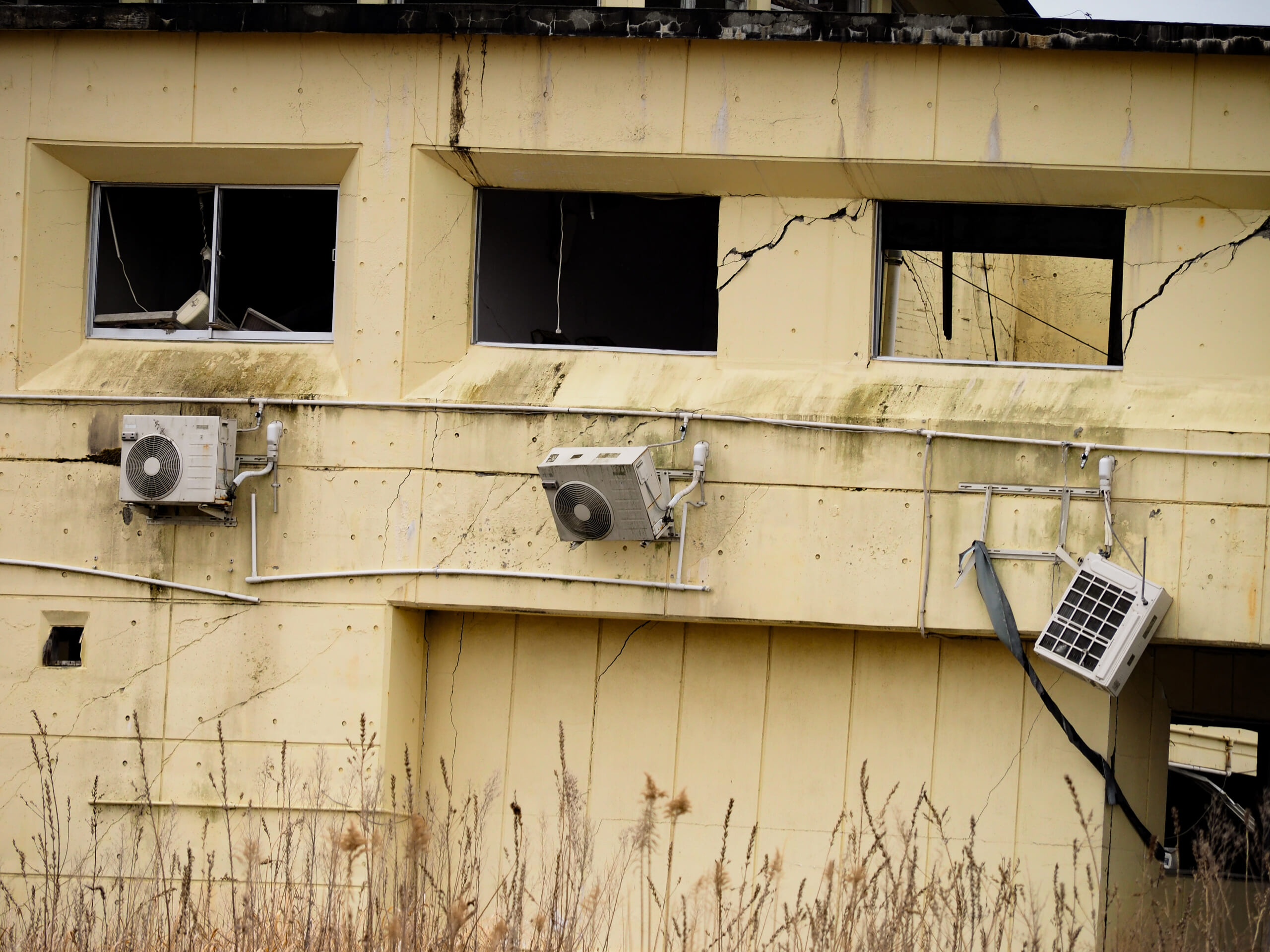
    The golden rule is this: Stay indoors. I know it sounds counterintuitive, but Japanese buildings are designed with advanced shock-absorbing technology. They are safer inside than outside, where you risk being hit by falling signs, glass, or heavy roof tiles.

    If you are indoors, use the “Drop, Cover, and Hold On“ method. Get under a sturdy table, protect your head with a bag or a cushion, and wait for the shaking to stop. The only exception to this rule is if you are staying in an old, traditional wooden house or an aging guest house. If you see signs of structural weakness, calmly exit to an open space once the initial shaking subsides.

    3. Tsunami Awareness: The Real Threat

    While earthquakes rarely cause building collapses, the ocean is a different story. If you are near the coast and feel a strong, long-lasting earthquake, do not wait for an official siren. Move to high ground immediately. Look for signs showing “Tsunami Evacuation Area“ or designated evacuation buildings. Never go to the beach to “see the waves“ – that is the most dangerous thing you can do.

    4. Quick Guide: What to Do (Do’s and Don’ts)

    Situation Do Don’t
    Indoors Stay inside, get under a table, protect your head. Run outside, use elevators.
    Outdoors Stay away from tall buildings, use a bag to protect your head. Stand near old walls or narrow alleys.
    Near the Coast Head to high ground immediately. Go to watch the ocean, wait for alerts.


    📱 Recommended Essential App: “Safety Tips” (Official Japan Tourism Agency App)

    Before you arrive in Japan—or right now from your hotel room—there is one app you should definitely download on your smartphone: the official “Safety Tips” app, supervised directly by the Japan Tourism Agency.

    Why Shiba dog strongly recommends it:

    • Instant Multi-language Push Alerts: You will receive real-time Earthquake Early Warnings (EEW) and Tsunami Warnings in English, Simplified/Traditional Chinese, Korean, and several other languages simultaneously.
    • Action Flowcharts: When an alert sounds, the app immediately displays simple, step-by-step illustrations showing what action to take depending on where you are (indoors, train station, outdoors, or coastline).
    • Emergency Communication Cards: Includes practical phrase cards in Japanese and English (e.g., “Where is the nearest evacuation shelter?”, “Is the train running?”) to show locals if you need help.
    • Medical & Evacuation Navigation: Helps you locate nearby medical facilities accepting international visitors and official evacuation sites.

    💡 Shiba’s Tip: The app is completely free on both iOS (App Store) and Android (Google Play). Just make sure to enable push notifications and location services so it can protect you wherever you travel across Japan!
  • Escalator Etiquette in Japan: Stand or Walk? A Tourist’s Guide

    Escalator Etiquette in Japan: Stand or Walk? A Tourist’s Guide

    Hi, I am Shiba dog! Welcome to shiba-memo.com. I am so happy you are planning a trip to Japan!

    One thing that often confuses visitors as soon as they step into our train stations is the escalator etiquette. You might be standing there, wondering, “Should I stand on the left? Or the right?“ It feels like an unwritten rule that everyone else seems to know but you. Don’t worry! You are not alone in this, and honestly, even for us locals, things are changing.

    1. The Regional Divide: East vs. West

    Japan has a funny way of doing things differently depending on where you are. When it comes to escalators, the “customary“ side to stand on depends on the city.

    Region Standing Side Note
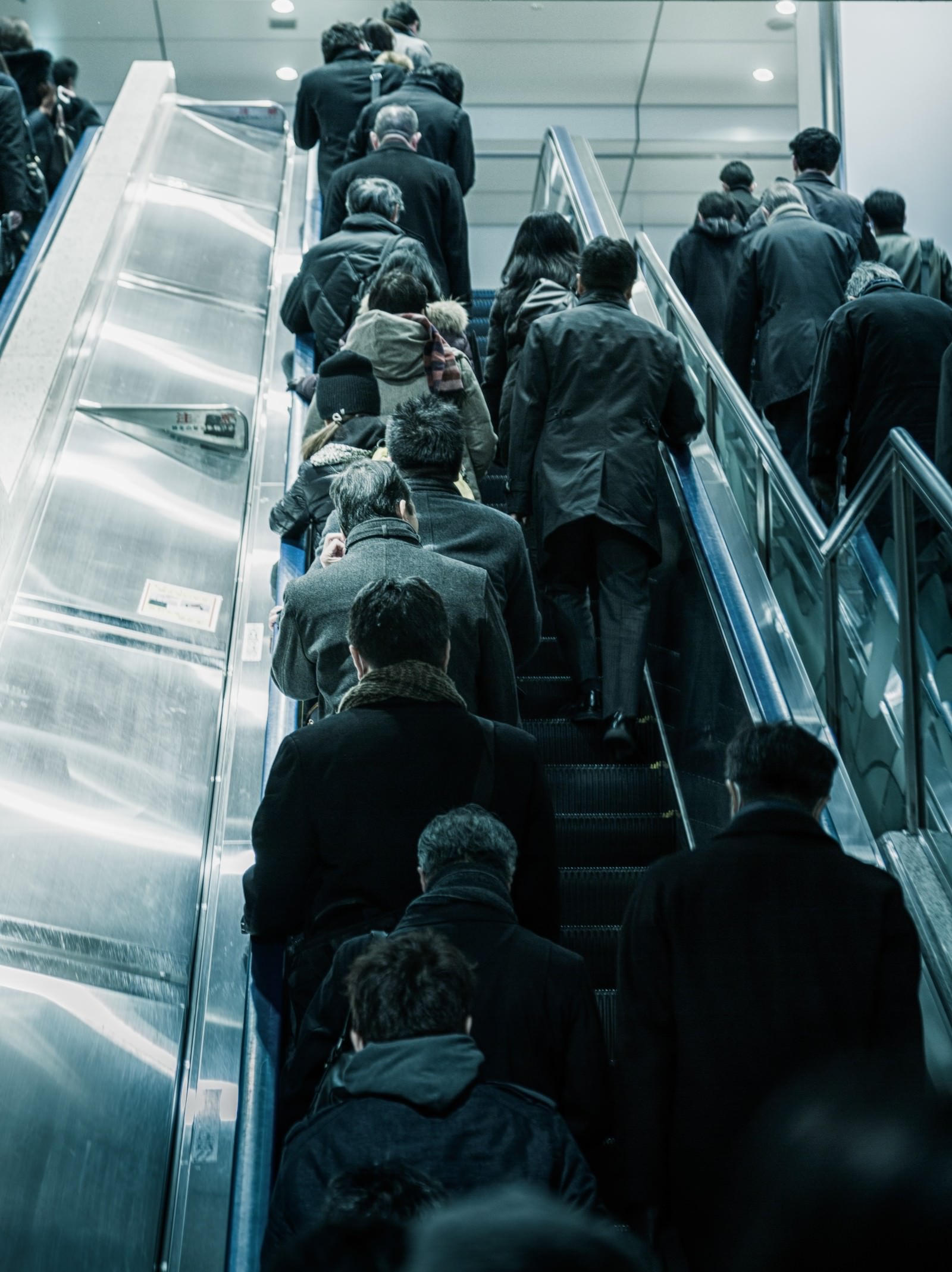
    Kanto (Tokyo) Left The right side is for walking.
    Kansai (Osaka) Right The left side is for walking.
    Nagoya Both sides Walking is strongly discouraged.

    1.1 Why the difference?

    There are many urban legends about why Osaka stands on the right—some say it’s because businessmen in the Edo period wanted their swords on the outside, or because of a big exposition held years ago. Whatever the reason, it is just a local habit.

    2. The Current Transition: Why Official Rules are Changing

    Recently, you will see posters in every station that say, “Please do not walk on the escalator.“ Why? It comes down to three main reasons:

    ■ Safety First: Walking on moving stairs is dangerous. It leads to falls and accidental collisions with others.
    ■ Inclusivity: Everyone uses escalators, including people who have difficulty balancing or those who need to hold the handrail on either side. When one side is blocked, it makes life harder for many people.
    ■ Efficiency: Studies have shown that if everyone stands on both sides, the throughput of people is actually higher, moving the crowd out of the station faster.

    3. Shiba’s Reality Check: How to Navigate Like a Local

    I know it feels intimidating to be the only one standing on the “wrong“ side. My advice? Don’t overthink it! If you see a long line forming on one side, just stand behind the person in front of you. You are a tourist, and no one expects you to memorize the local customs of every prefecture.

    Shiba’s Insider Tip: While the official rule is “stand on both sides,“ social pressure is a real thing in Japan! During the weekday morning rush hour in major hubs like Tokyo, Shinjuku, or Shinagawa stations, people are moving very fast. In these specific, crowded moments, it is often safer and easier to just follow the flow and stand to one side to avoid bumping into rushed commuters.

    4. Final Thoughts

    Japan is currently in a transitional phase. We are moving toward a culture where safety takes priority over speed. If you accidentally stand on the “wrong“ side, don’t sweat it—people are generally very forgiving to travelers. Just keep your eyes open, stay safe, and enjoy your amazing journey through Japan!

  • How to Pay in Japan: Cash, IC Cards, and Why You Should Skip PayPay

    How to Pay in Japan: Cash, IC Cards, and Why You Should Skip PayPay

    Hi, I’m Shiba dog! Welcome to my Japan travel guide. Planning a trip to Japan is exciting, but let’s be honest: figuring out how to pay for your ramen, train tickets, and souvenirs can be a headache. You’ve probably heard that Japan is finally going cashless, but once you arrive, you’ll realize it’s not as straightforward as back home.

    1. Why You Can’t Use PayPay: The Hidden Trap

    1.1. Japan’s most popular app isn’t for tourists

    You might see the PayPay logo everywhere, but here is the truth: it’s essentially off-limits for most international tourists. To unlock the full power of PayPay, you generally need a Japanese bank account and local identification documents. While some minor features are becoming available, it remains a common point of frustration for short-term visitors.

    2. The Best Alternative: Mobile IC Cards

    2.1. Why Mobile IC is the gold standard

    Since physical Suica and Pasmo cards often go out of stock from time to time du to supply shortages, your smartphone is your best friend. If you have an iPhone, simply add a Welcome Suica Mobile App to your iPhone and charge it instantly with your credit card. It works for trains, buses, vending machines, and almost all convenience stores.

    Note for Android users: While some newer international flagship devices support the “Osaifu-Keitai” (mobile wallet) chip, many models still do not. If you’re on Android, you may need to rely on physical credit cards or cash.

    3. Don’t Forget the “Old School” Cash

    3.1. When and why you still need yen

    Despite the digital push, Japan still relies heavily on cash. Tiny, family-run izakayas, local shrines, and rural shops often have “Cash Only” signs. I always recommend carrying about 10,000 to 20,000 yen in your wallet for emergencies.

    Method Availability Best For
    Mobile IC High Transit, Convenience Stores
    Credit Card Medium Hotels, Big Stores
    Cash (Yen) Essential Local Shops, Temples
    Local Tip: Don’t worry about the 10,000 yen note!
    Some smaller shopkeepers might hesitate to give change for a 10,000 yen note, but 1,000 yen notes are always welcome. A great “smart traveler” trick is to stop at a convenience store early in the day, buy a drink, and pay with a 10,000 yen note. It’s the easiest way to break that large bill into useful smaller ones.

    Happy travels, and enjoy your time exploring Japan!

  • No Trash Cans in Tokyo? A Traveler’s Guide to Waste Management

    No Trash Cans in Tokyo? A Traveler’s Guide to Waste Management

    Welcome to Tokyo! I’m Shiba dog! Welcome to my Japan travel guide.  As the editor of shiba-memo.com, I’ve been helping travelers navigate this incredible city for years. One thing everyone notices immediately is how stunningly clean the streets are. But then, it hits you—where on earth are the trash cans? Don’t worry; this is a universal struggle, even for locals! Here is how to navigate the city like a pro.

    1. The Reality: Why Trash Cans are Rare

    If you are wondering why you cannot find a bin on every corner, it is mainly for safety and maintenance. Public trash cans were largely removed from streets years ago as a precaution against security threats and to keep neighborhoods clean. Because of this, locals simply manage their own waste until they get home or reach a proper disposal spot.

    2. Smart Solutions: How to Manage Your Trash

    You do not need to carry a heavy bag all day. Just keep these two simple rules in mind to stay stress-free.

    2.1 Use Point-of-Purchase Bins

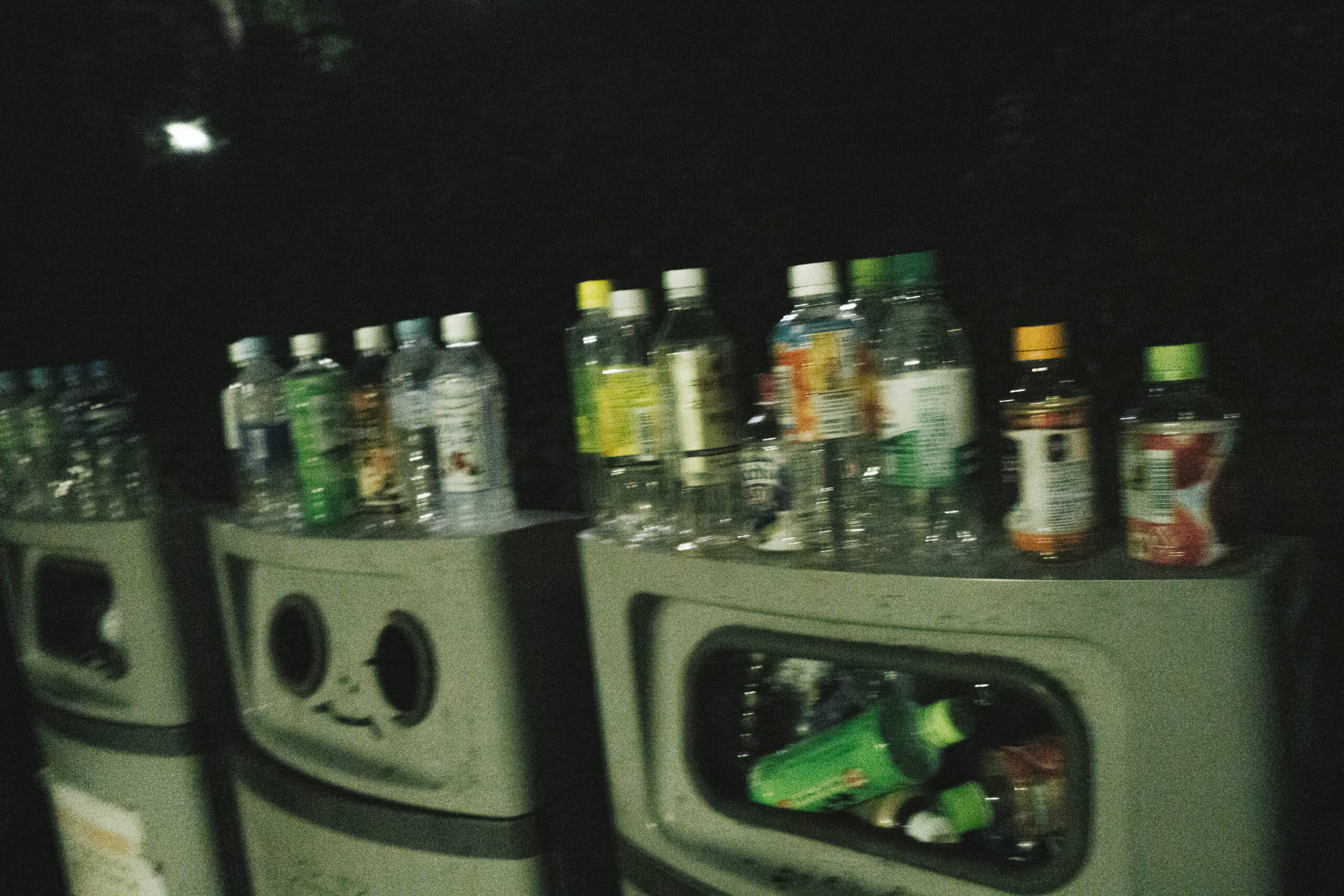
    Most convenience stores and vending machines have bins specifically for the items they sell. If you grab a drink or a quick snack, consume it and use the bin right next to the machine or at the store entrance. Note that some stores have restricted bin access due to illegal dumping; always check if the bin is intended for store-purchased items.

    2.2 The Carry-out Habit

    When in doubt, take it with you. Expecting to find a public bin is not the norm here. Making it a habit to hold onto your trash until you return to your hotel is the most respectful way to enjoy the city.

    Situation Avoid This Do This Instead
    Vending machines Leaving a half-empty drink on top Finish it and use the machine’s bin
    Convenience store snacks Dropping wrappers on the street Use the store’s trash bin if available
    Public streets Leaving litter on a bench Keep it in your bag until later
    Local Tip: Always Carry a Trash Bag
    Most Japanese people keep a small, folded plastic bag in their pockets or handbags. It is a lifesaver! You can use it to store your trash, hold a wet umbrella, or even protect your gear if it starts raining unexpectedly. Keep one handy—it is the ultimate Tokyo travel hack.

    Keeping Tokyo beautiful is a team effort between the city and those who visit. By managing your trash, you are helping preserve the charm that makes this city so special. Happy travels!

  • How to Navigate Tokyo Trains: A Guide for Travelers with Luggage

    How to Navigate Tokyo Trains: A Guide for Travelers with Luggage

    Hi there! I’m Shiba dog! Welcome to my Japan travel guide.As the editor here at Shiba Memo, I know exactly how you feel. Japan’s train system is famous for being incredibly clean and punctual—it’s like clockwork! But let’s be honest: seeing a crowded Tokyo train for the first time can be pretty intimidating. Don’t worry, though. With a few simple local secrets, you’ll be riding the rails like a pro in no time.

    1. The Golden Rule: Avoid the Rush Hour

    1.1 Peak Hours to Avoid

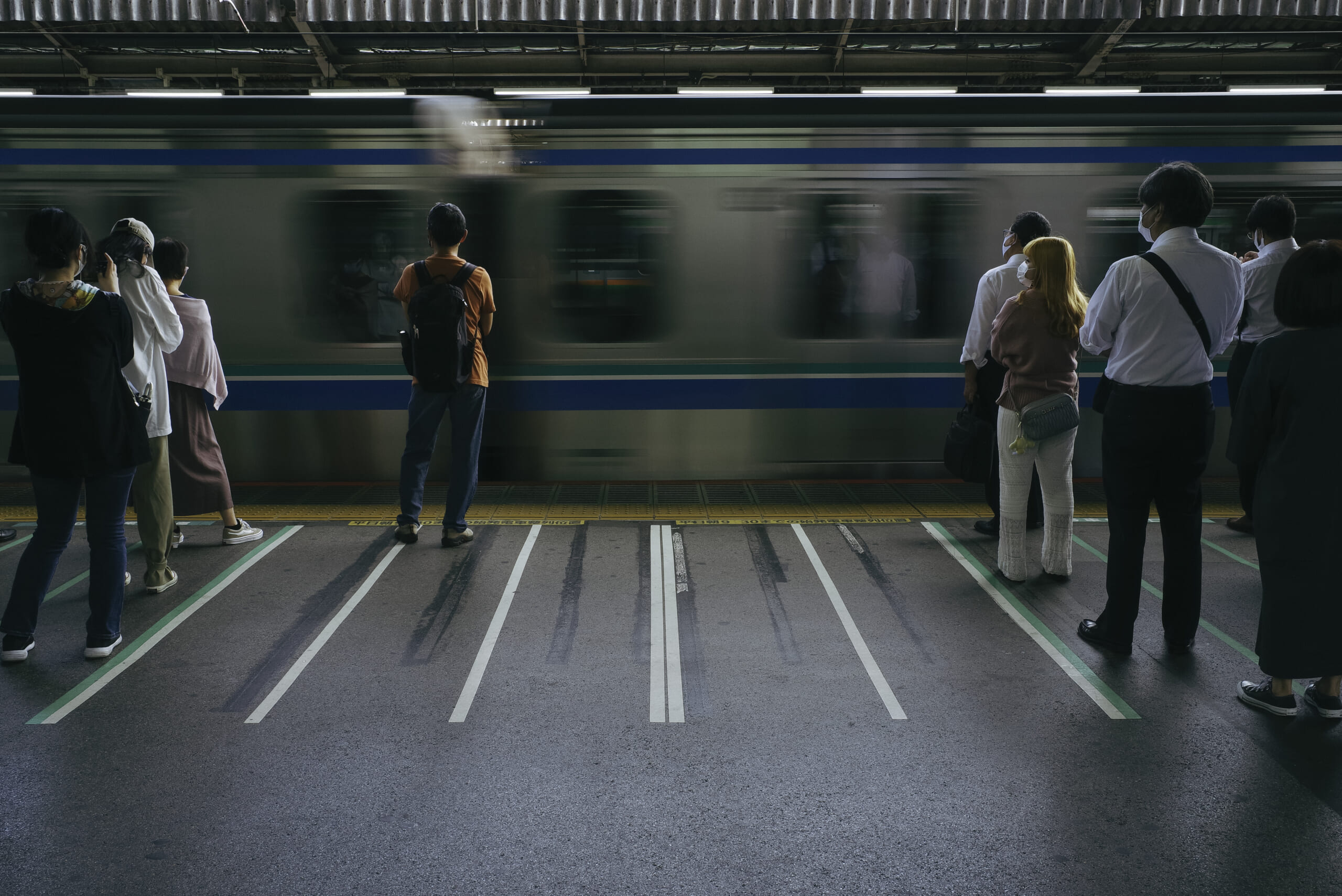
    ■ The best way to have a smooth trip is simply to avoid the peak. Try to stay off the trains generally between 7:30 AM and 9:00 AM on weekdays. During these hours, trains are packed tight. If you have big suitcases, it’s not just stressful for you—it’s actually quite difficult to navigate safely through the sea of commuters. Save yourself the trouble and enjoy a leisurely breakfast at your hotel instead!

    2. Strategies for Survival with Big Luggage

    2.1 Don’t Stick Together

    ■ If you’re traveling with family or friends, avoid bunching up in one spot. It makes you a “human roadblock” and makes it hard for other passengers to move. Splitting up into smaller groups makes it much easier to find space and keeps everyone safer during busy transitions.

    2.2 Master the “Deep Entry” Technique

    ■ Never stand right by the doors if you’re staying on for a while. That area is the most congested spot on the train. Instead, move deep into the middle of the carriage. If you’re getting off soon, a smart local trick is to move toward the doors just one or two stops before your destination.

    Action Beginner Local Pro
    Luggage Clustered at doors Stored in center or overhead
    Group Flow Sticking together Spaced out
    Exit Prep Waiting by doors early Moving 1-2 stops before
    Local Tip: Use Luggage Delivery Services (“Takkyubin”)Want the ultimate stress-free experience? Use courier service (Takkyubin)! You can send your heavy suitcases from the airport directly to your hotel, or from one hotel to the next. It’s affordable, reliable, and honestly, a life-changer. Traveling hands-free is the best way to fall in love with Japan without the weight of your luggage holding you back. Happy travels!